
Processing Speed and Psychiatric Disorders
$20.00 — 1 Credit
Processing Speed and Psychiatric Disorders
Description
In this interview, Dr. Jeremy Sharp sits down with Dr. Ellen Braaten to talk through some of Dr. Braaten’s recent work on processing speed and psychopathology. Along with her colleagues, Ellen recently published an article looking at the role of processing speed in a variety of common psychiatric concerns, and the results are fascinating! This is a wide-ranging conversation that touches on a number of different topics. Here are just a few:
- Sluggish cognitive tempo vs. inattention
- How inattention is measured
- The impact of COVID-19 on learning for kids with sluggish cognitive tempo and slow cognitive processing
- ADHD and the perception of time, and recommendations to help gauge time more effectively
Interview Date: 1/2021.
Format: Asynchronous, distance learning. Non-interactive. Recorded audio with transcript.
Want to hear the interview? Listen for free using the audio player below.
Interview with Ellen Braaten
NAADAC Online CE Completion limits: There is a limit of 8 hours (8 CE) of credit for online courses within a 24-hour period.
Click here to view our policy on Fees, Refunds, and Cancellations
The course will be available in your account immediately after purchase. The Course Completion Certificate and Letter of Completion will be immediately available in your account upon successful completion of the course post-test (a score of 80% or higher) and completion of the course evaluation. You will have unlimited attempts to pass the post-test.
Do you have questions about this course? Do you require accessibility accommodations? Please visit our FAQ page or Contact Us and we'll be happy to help.
Course Details
- Credits
- 1
- Course Format
- Recorded audio, asynchronous, distance-learning, non-interactive, includes transcript.
- Target Audience
- Psychologists, Counselors, Social Workers, Marriage and Family Therapists, Addiction Counselors, Nurses
- CE Credit Type / Category
- Clinical
- Course Level
- Intermediate
- Conflict of Interest
- None reported
- Publication Date
- January 14, 2020
- Last Modified
- January 14, 2020
Learning Objectives
- Distinguish between cognitive tempo and inattention
- Discuss the impact of COVID-19 on learning for kids with sluggish cognitive tempo and slow cognitive processing
- Give examples of ways to help clients with slow cognitive skills gauge time more effectively
CE Approvals
At Health has been an approved continuing education provider for mental health professionals since 2001 — more than two decades of supporting psychologists, counselors, social workers, marriage and family therapists, and addiction professionals through online, self-paced CE.

American Psychological Association (APA)
At Health, LLC is approved by the American Psychological Association to sponsor continuing education for psychologists. At Health, LLC maintains responsibility for this program and its content.

National Board for Certified Counselors (NBCC)
At Health, LLC has been approved by NBCC as an Approved Continuing Education Provider, ACEP No. 6949. Programs that do not qualify for NBCC credit are clearly identified. At Health, LLC is solely responsible for all aspects of the programs.

NAADAC – The Association for Addiction Professionals
Athealth.com is approved as a continuing education provider by the National Association of Alcoholism and Drug Abuse Counselors, the Association for Addiction Professionals. #148460.

Association of Social Work Boards (ASWB)
At Health, LLC, Provider #1707, is approved as an ACE provider to offer social work continuing education by the Association of Social Work Boards (ASWB) Approved Continuing Education (ACE) program. Regulatory boards are the final authority on courses accepted for continuing education credit. ACE provider approval period: 5/3/2023–5/3/2026.
State-Specific Approvals
It is At Health’s understanding that these programs meet the criteria of an approved continuing education program for social work in Arkansas. State and provincial regulatory boards have the final authority to determine whether an individual course may be accepted for continuing education credit.
It is At Health’s understanding that these programs meet the criteria of an approved continuing education program for social workers, professional counselors, marriage and family therapists, master’s level psychologists, licensed clinical psychotherapists, and alcohol and other drug abuse counselors in Kansas. State and provincial regulatory boards have the final authority to determine whether an individual course may be accepted for continuing education credit.
It is At Health’s understanding that these programs meet the criteria of an approved continuing education program for mental health practice and for social work in Nebraska. State and provincial regulatory boards have the final authority to determine whether an individual course may be accepted for continuing education credit.
It is At Health’s understanding that these programs meet the criteria of an approved continuing education program for psychologists, pastoral psychotherapists, clinical social workers, clinical mental health counselors, marriage and family therapists, and alcohol and drug abuse counselors in New Hampshire. State and provincial regulatory boards have the final authority to determine whether an individual course may be accepted for continuing education credit.
It is At Health’s understanding that these programs meet the criteria of an approved continuing education program for social workers, professional counselors, marital and family therapists, and clinical pastoral therapists in Tennessee. State and provincial regulatory boards have the final authority to determine whether an individual course may be accepted for continuing education credit.
Other jurisdictions may accept trainings offered by At Health, LLC for your continuing education requirements. Restrictions may apply. State and provincial regulatory boards have the final authority to determine whether an individual course may be accepted for continuing education credit.
Page last modified or reviewed by athealth.com on .
Syllabus 3 lessons
- 🖹 [B1809-A21] Audio Interview with Ellen Braaten
- 🖹 [B1809-A21] Transcript of Interview with Ellen Braaten
- 🖹 [B1809-A21] References and Citations
Author Bio
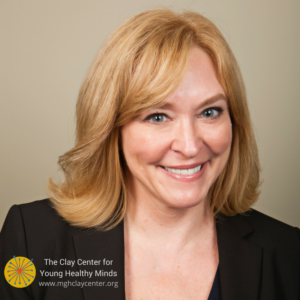
Dr. Ellen Braaten is associate director of The Clay Center for Young Healthy Minds at Massachusetts General Hospital (MGH), director of the Learning and Emotional Assessment Program (LEAP) at MGH, and an associate professor of psychology at Harvard Medical School (HMS). She is a psychologist, teacher and researcher whose career has focused on the better understanding and treatment of children with learning and attention issues, particularly ADHD, learning disabilities, dyslexia, and autism spectrum.
As a mother of two young adult children, as well as a psychologist, Dr. Braaten is keenly interested in parenting issues, particularly those relating to normal development, education, and parenting children with behavior and learning differences. She has written a number of books for parents including Straight Talk about Psychological Testing for Kids, How to Find Mental Health Care for Your Child, and most recently Bright Kids Who Can’t Keep Up, a book for parents that addresses slow processing speed in children.
Dr. Braaten is active in clinical work with children and in the training of psychologists and psychiatrists to diagnose and treat ADHD and learning disabilities. She is a frequent speaker on topics relating to education, child development, learning disabilities, autism, processing speed, and intelligence. She has a special interest, in both her writing and research, in helping students with learning and emotional challenges succeed in the fast-paced world in which we live.
Dr. Jeremy Sharp is a licensed psychologist and Clinical Director at the Colorado Center for Assessment & Counseling, a private practice that he founded in 2009 and grew to include 12 licensed clinicians, three clinicians in training, and a full administrative staff. Dr. Sharp earned his undergraduate degree in Experimental Psychology from the University of South Carolina before getting his Masters and PhD in Counseling Psychology from Colorado State University. These days, he specializes in psychological and neuropsychological evaluation with kids and adolescents.
As the host of the Testing Psychologist Podcast, Dr. Sharp provides private practice consulting for psychologists and other mental health professionals who want to start or grow psychological testing services in their practices. He lives in Fort Collins, Colorado with his wife (also a therapist) and two young kids.

Instructors
Ellen Braaten, PhD
Jeremy Sharp, PhD
Ratings
Reviews 35
35 reviews for Processing Speed and Psychiatric Disorders
You must be logged in to post a review.
System Requirements
To access and complete this course, your device must meet the following minimum requirements:
- Browser: A modern web browser (Google Chrome, Mozilla Firefox, Microsoft Edge, or Apple Safari — current or one version prior). Internet Explorer is not supported.
- JavaScript: JavaScript must be enabled in your browser settings to navigate lessons, take quizzes, and access course materials.
- PDF Viewer: A PDF viewer is required to open course handouts, transcripts, and certificates. Most browsers include a built-in PDF viewer; alternatively, Adobe Acrobat Reader (free) can be used.
- Cookies: Cookies must be enabled to maintain your login session and save your course progress.
- Internet Connection: A stable internet connection is required. Video and audio courses may require higher bandwidth for smooth playback.
If you experience technical difficulties, please contact our support team for assistance.
Jill (verified owner) –
Linda (verified owner) –
Dianne (verified owner) –
Barbara (verified owner) –
Joanne (verified owner) –
Ryan (verified owner) –
Damon (verified owner) –
Claire (verified owner) –
Joselyne (verified owner) –
Andrea (verified owner) –
Andrew (verified owner) –
Jason (verified owner) –
Haley (verified owner) –
Jeannine (verified owner) –
Ric (verified owner) –
Alexis (verified owner) –
Amelia (verified owner) –
Monica (verified owner) –
Dara (verified owner) –
Christopher (verified owner) –